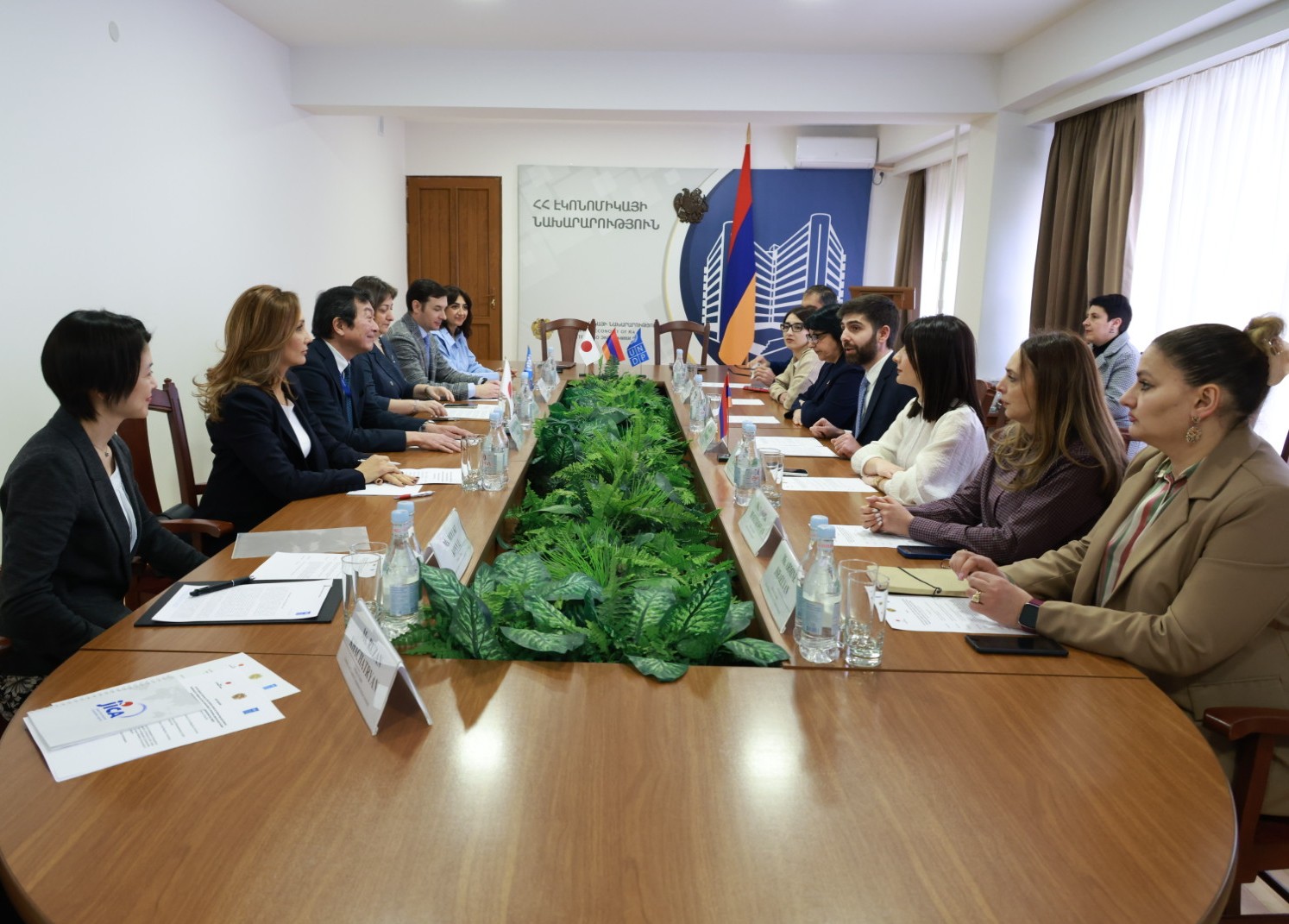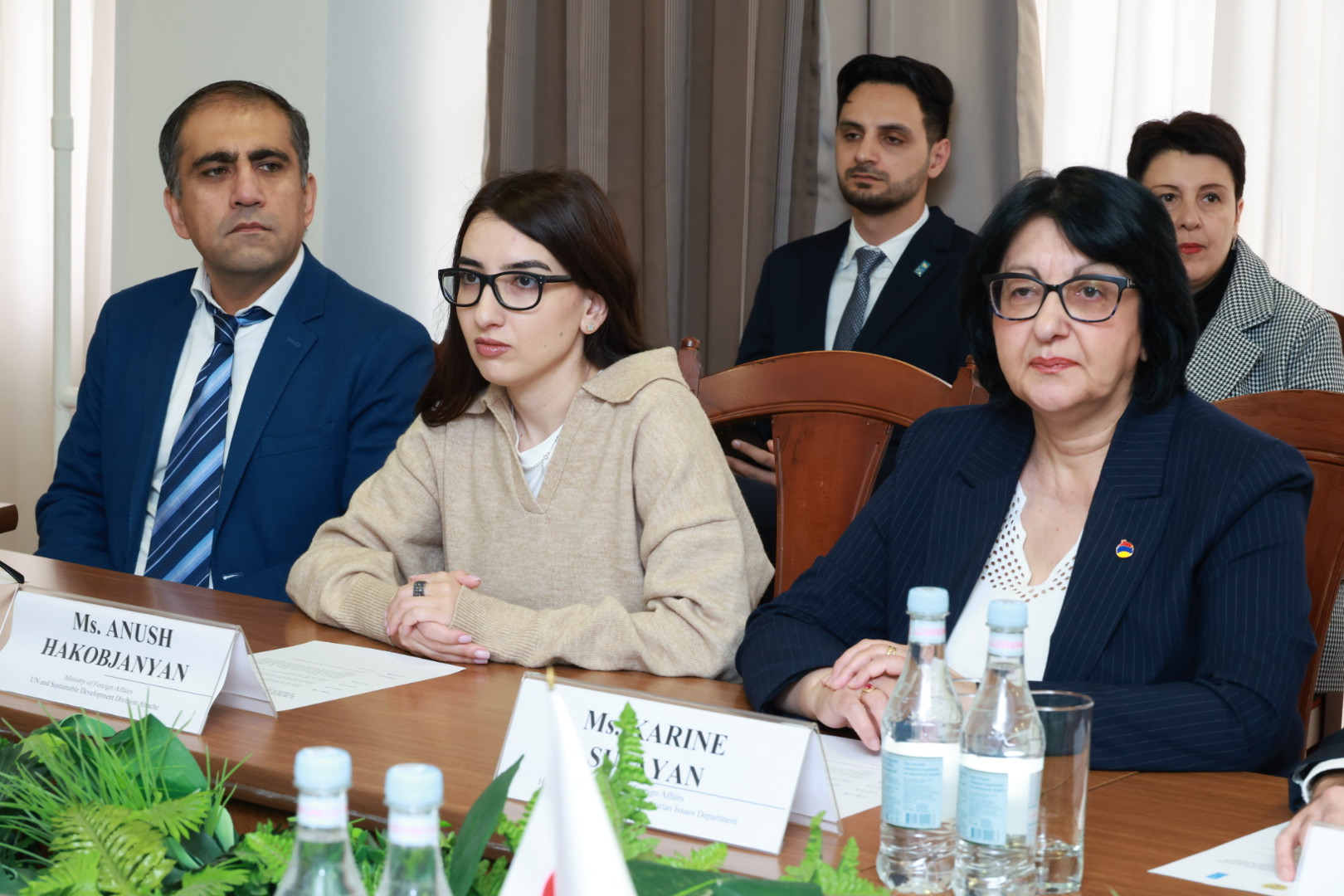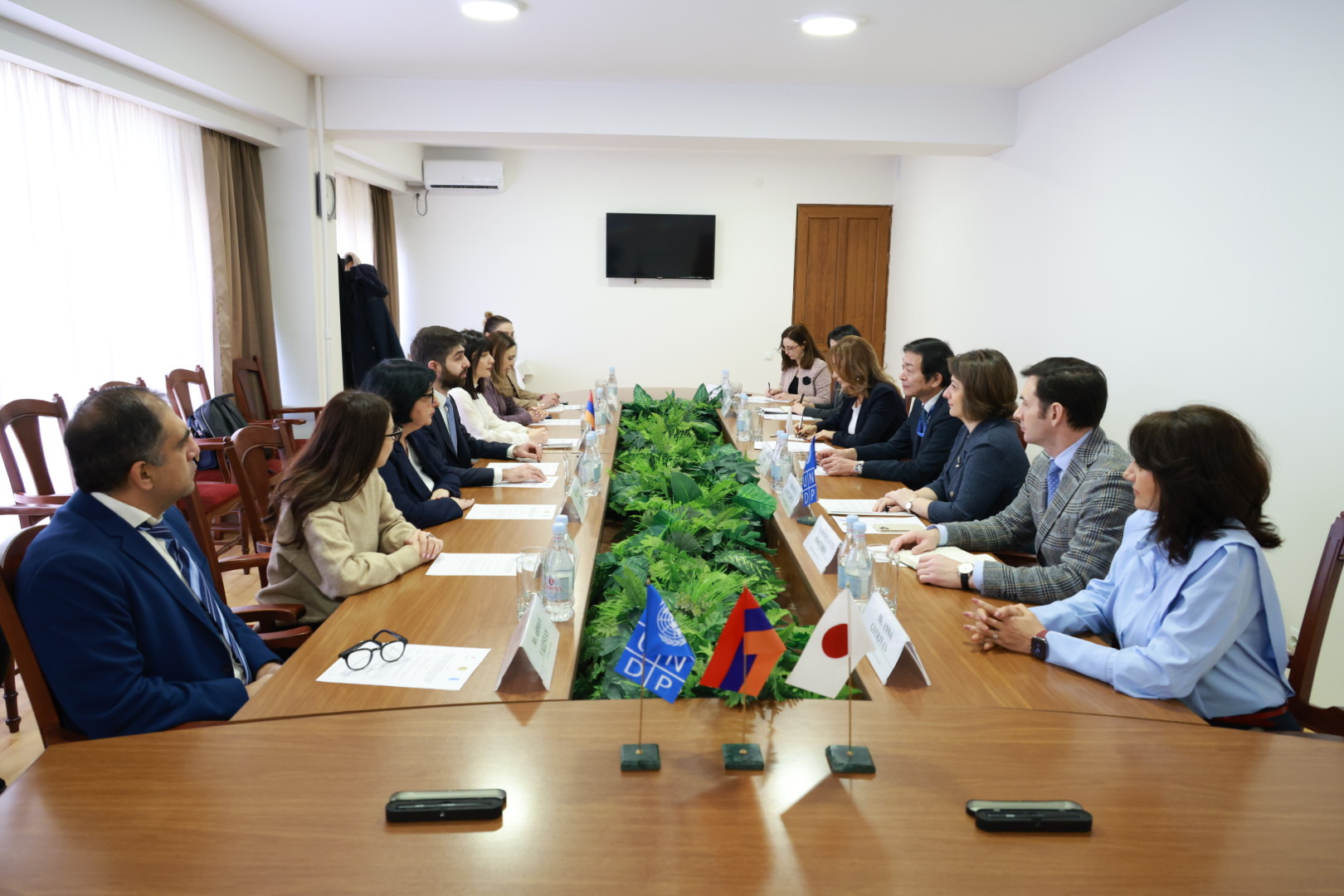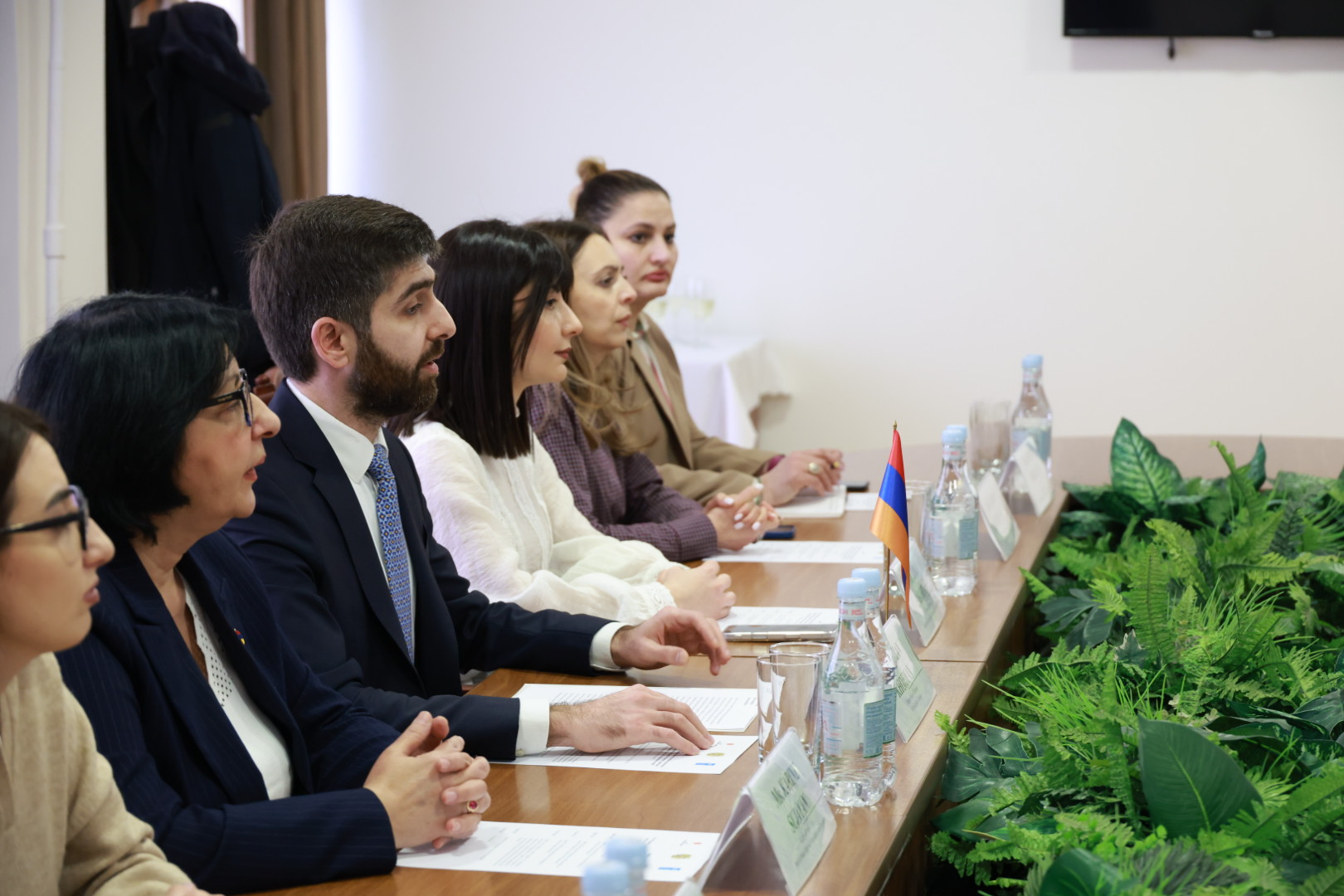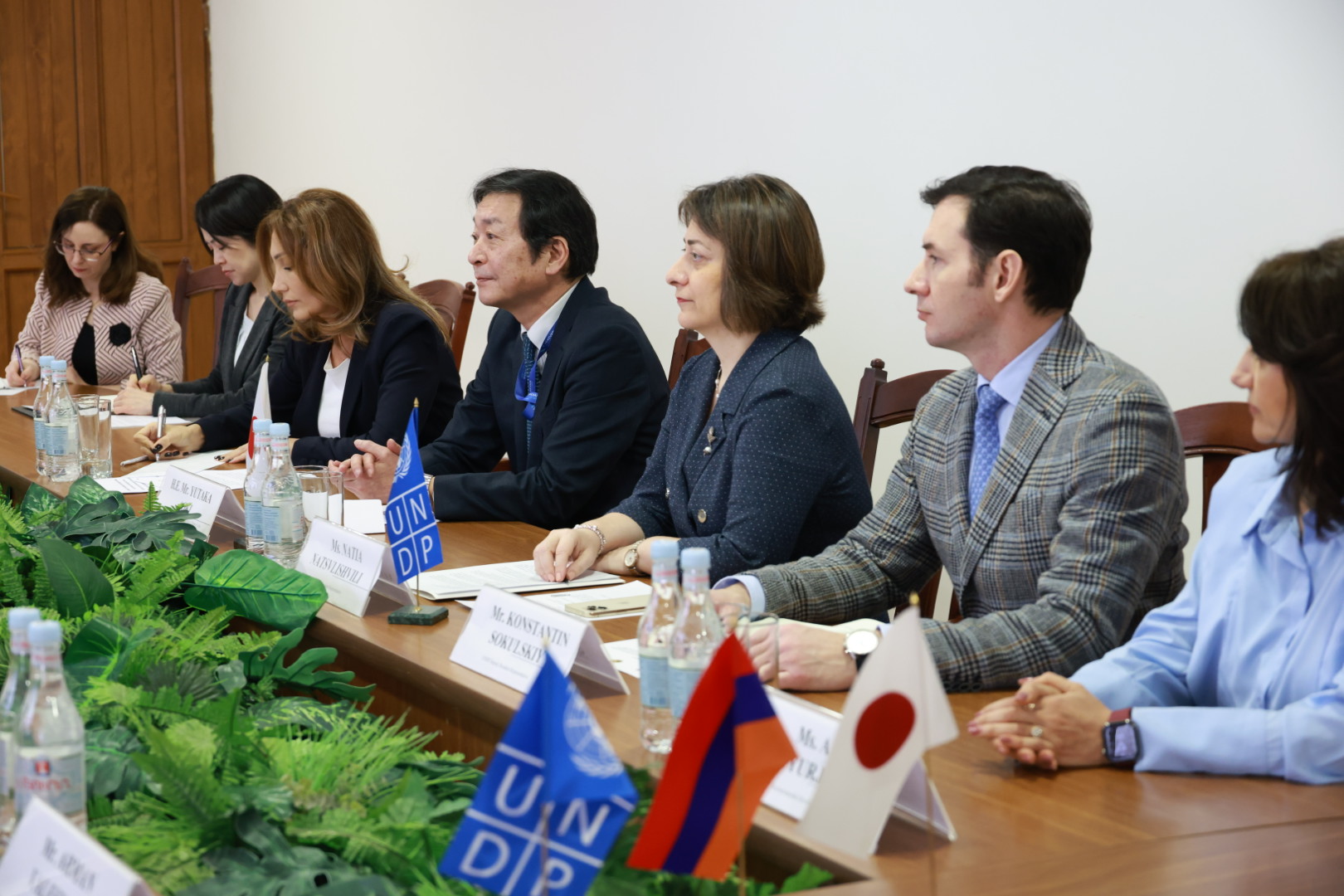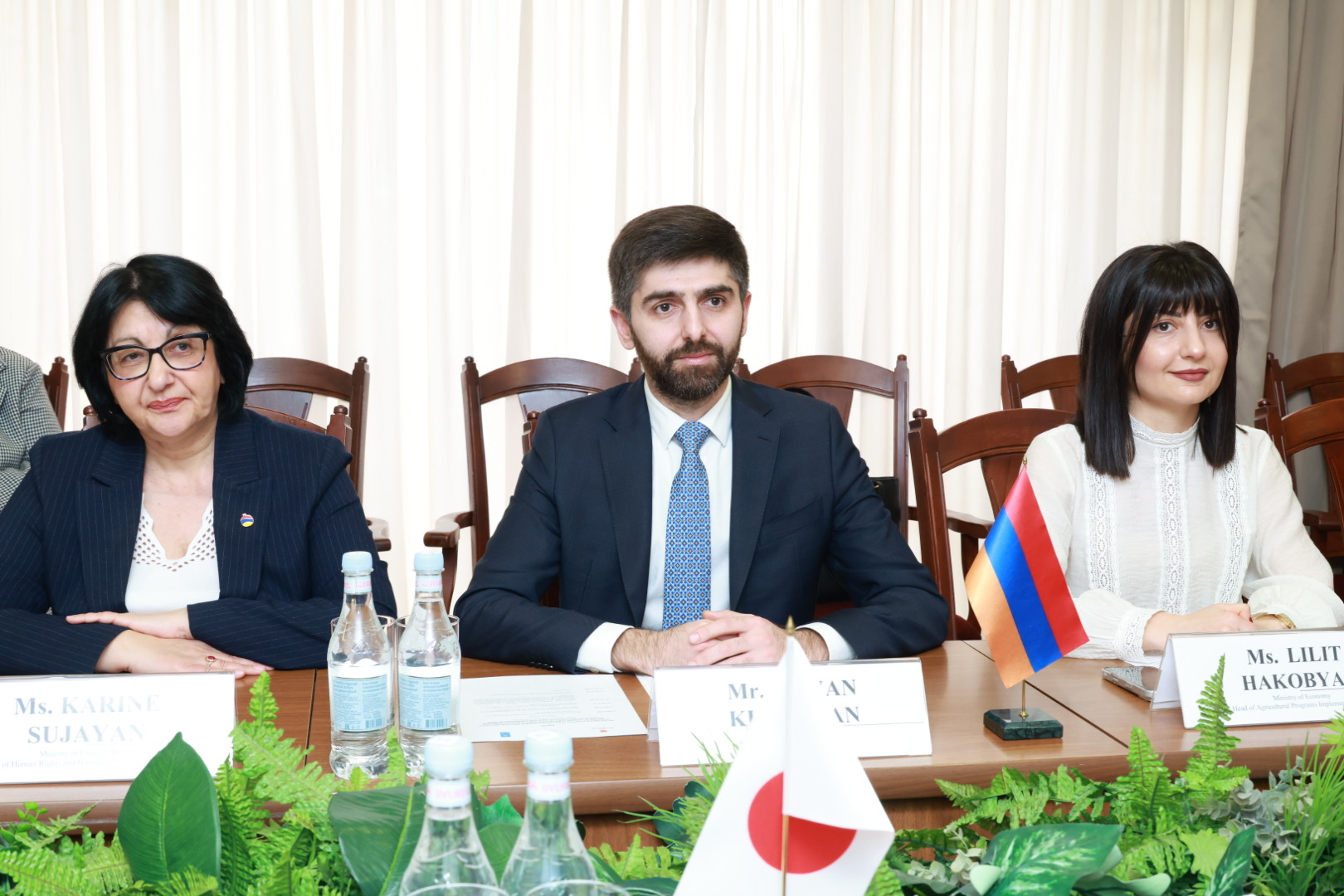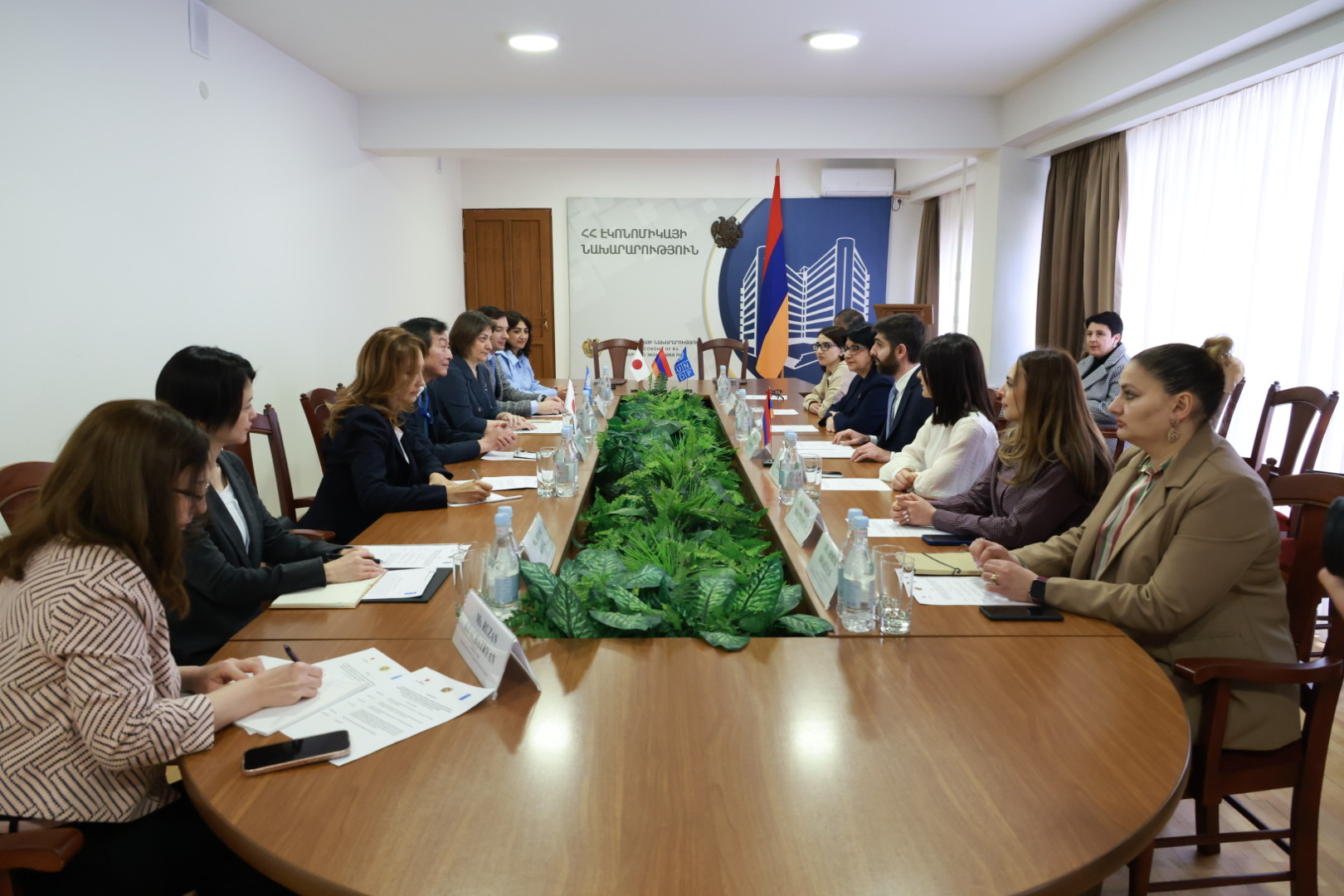
The Government of Japan and the United Nations Development Programme (UNDP) in Armenia, in partnership with the Ministry of Economy of the Republic of Armenia, today announced the launch of a new USD 5.2 million initiative dedicated to enhancing Agricultural Livelihoods for Refugees and Host Communities in Armenia. The three-year project, generously funded by the Government of Japan, aims to enhance human security, strengthen rural economic resilience, and expand sustainable, agriculture-based livelihoods for vulnerable populations, including refugees, in the Ararat, Armavir, Aragatsotn, and Kotayk regions of Armenia.
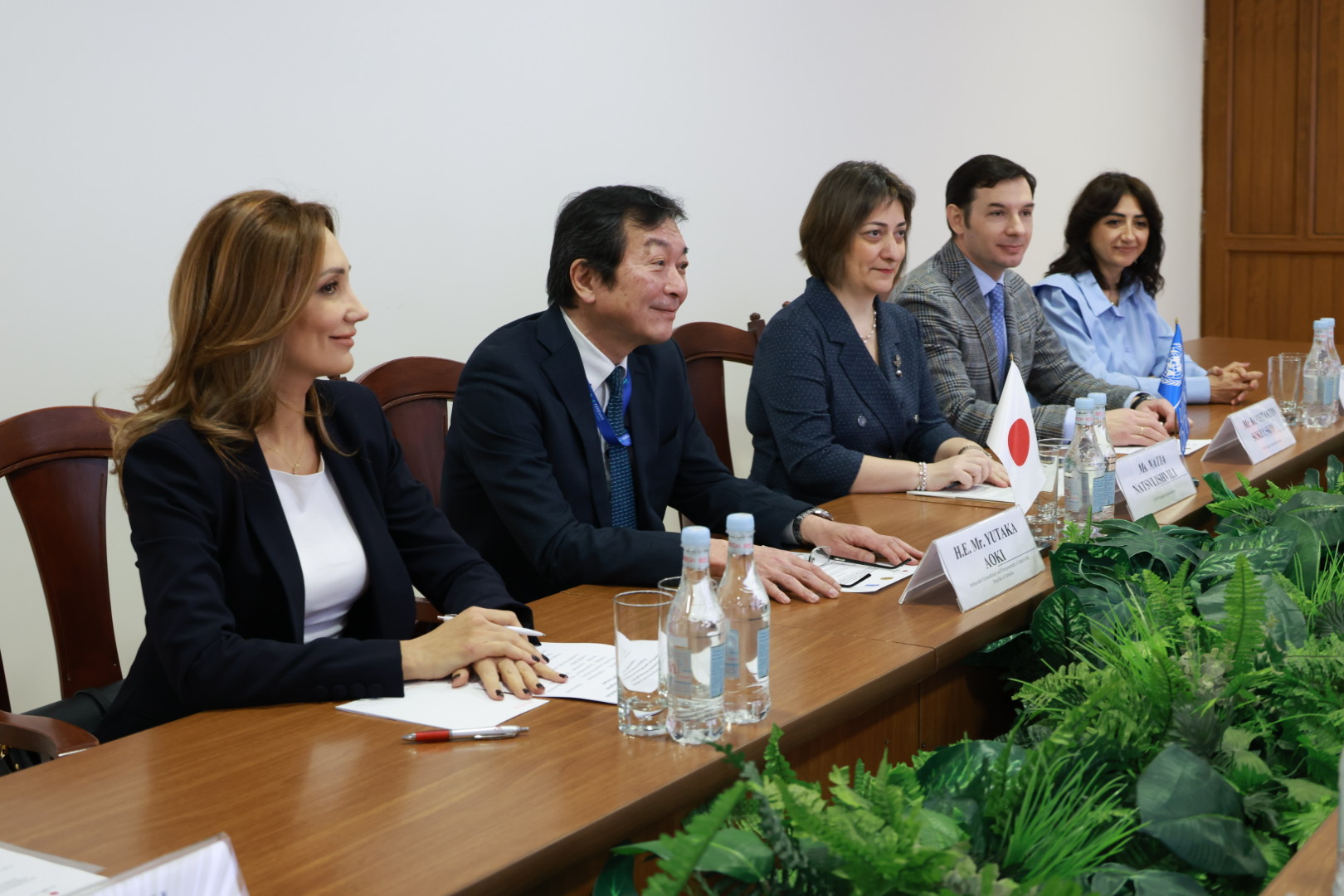
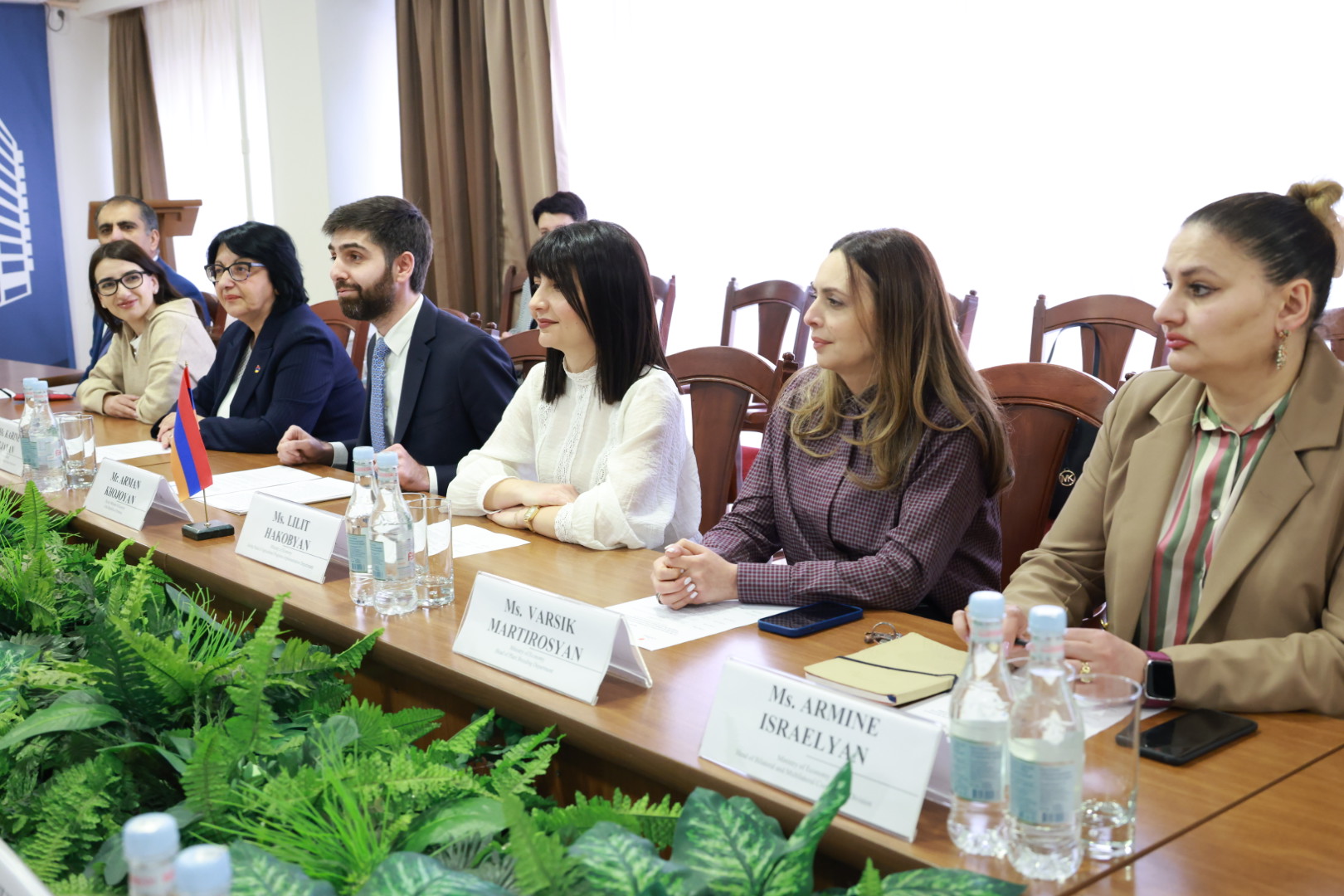
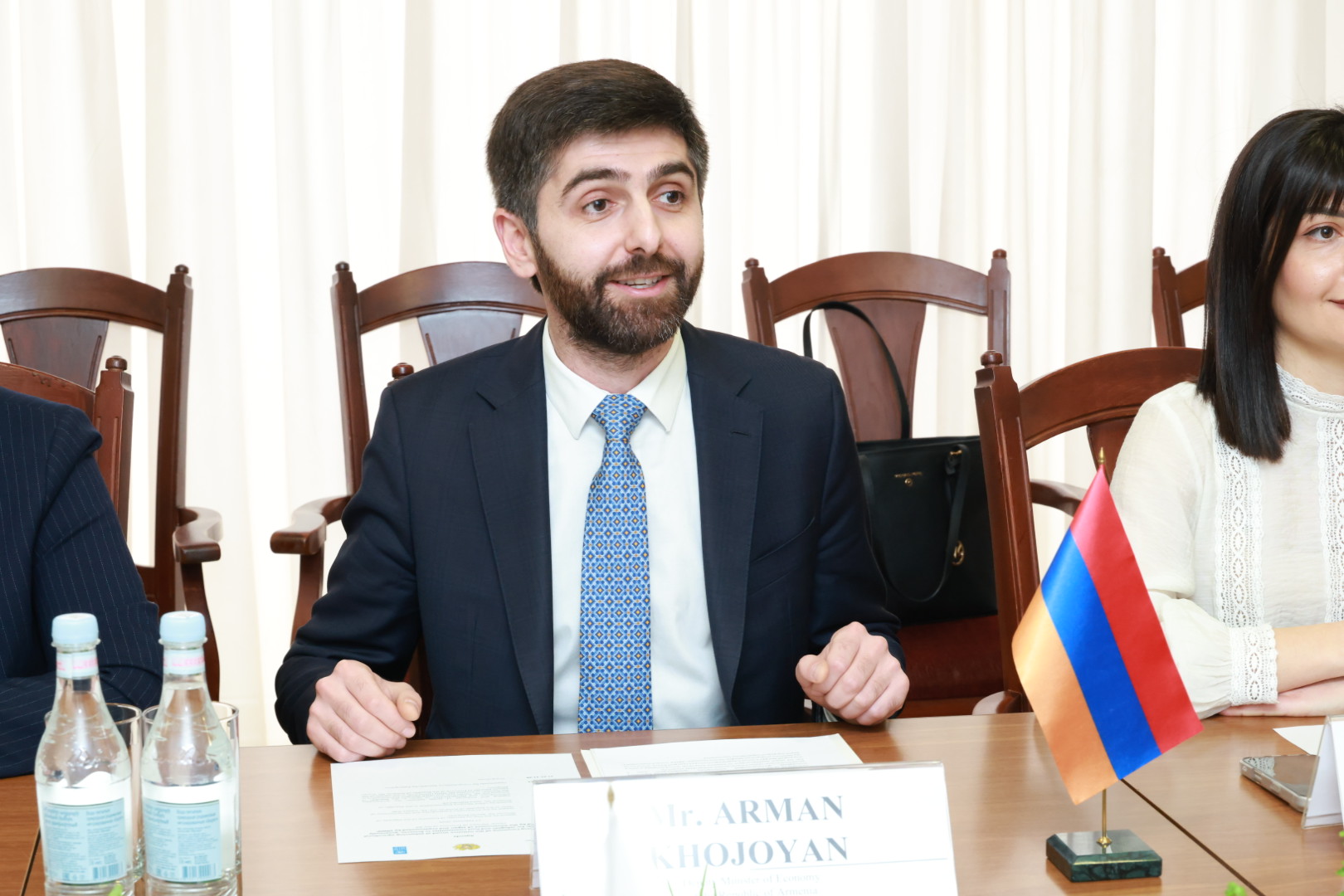
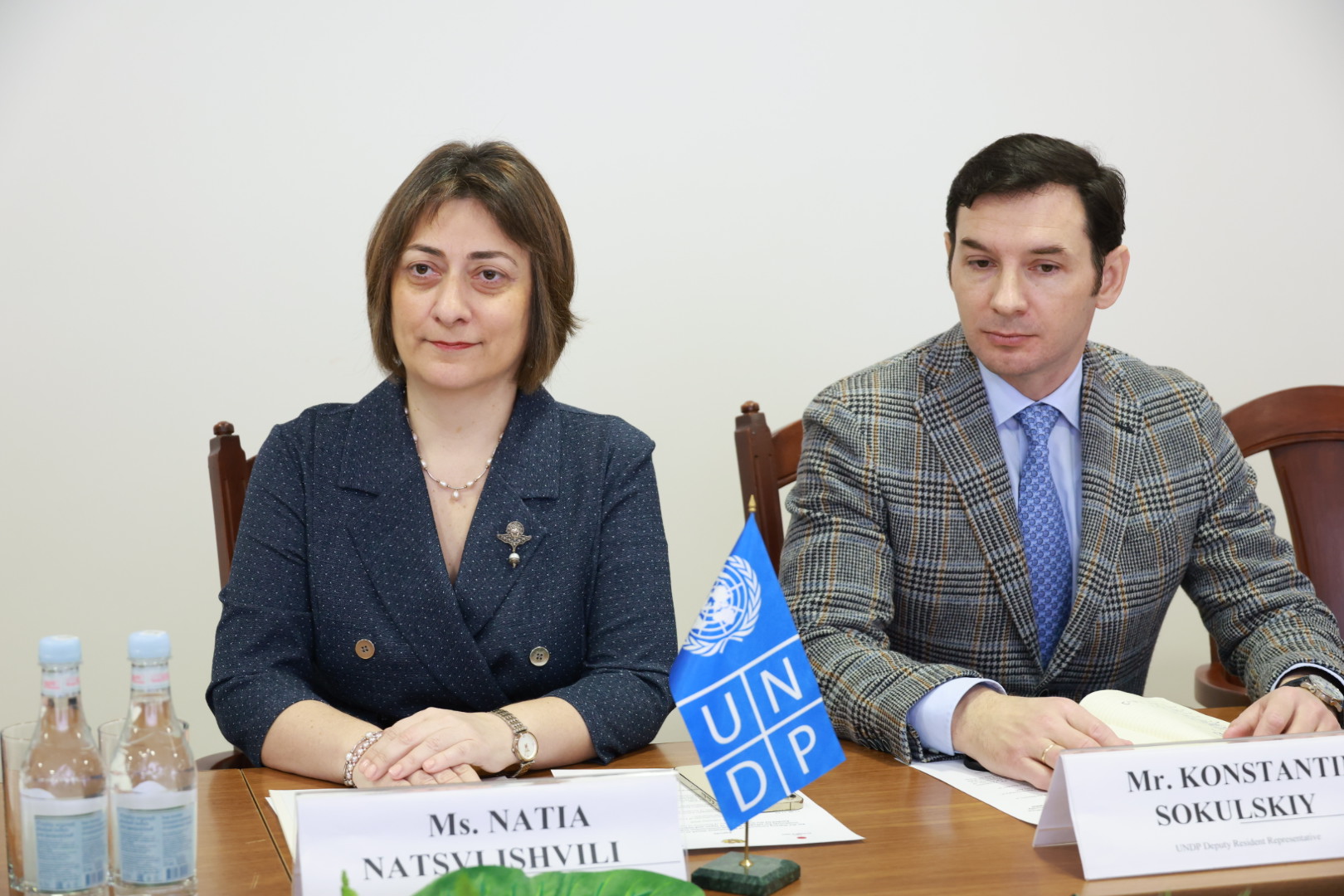
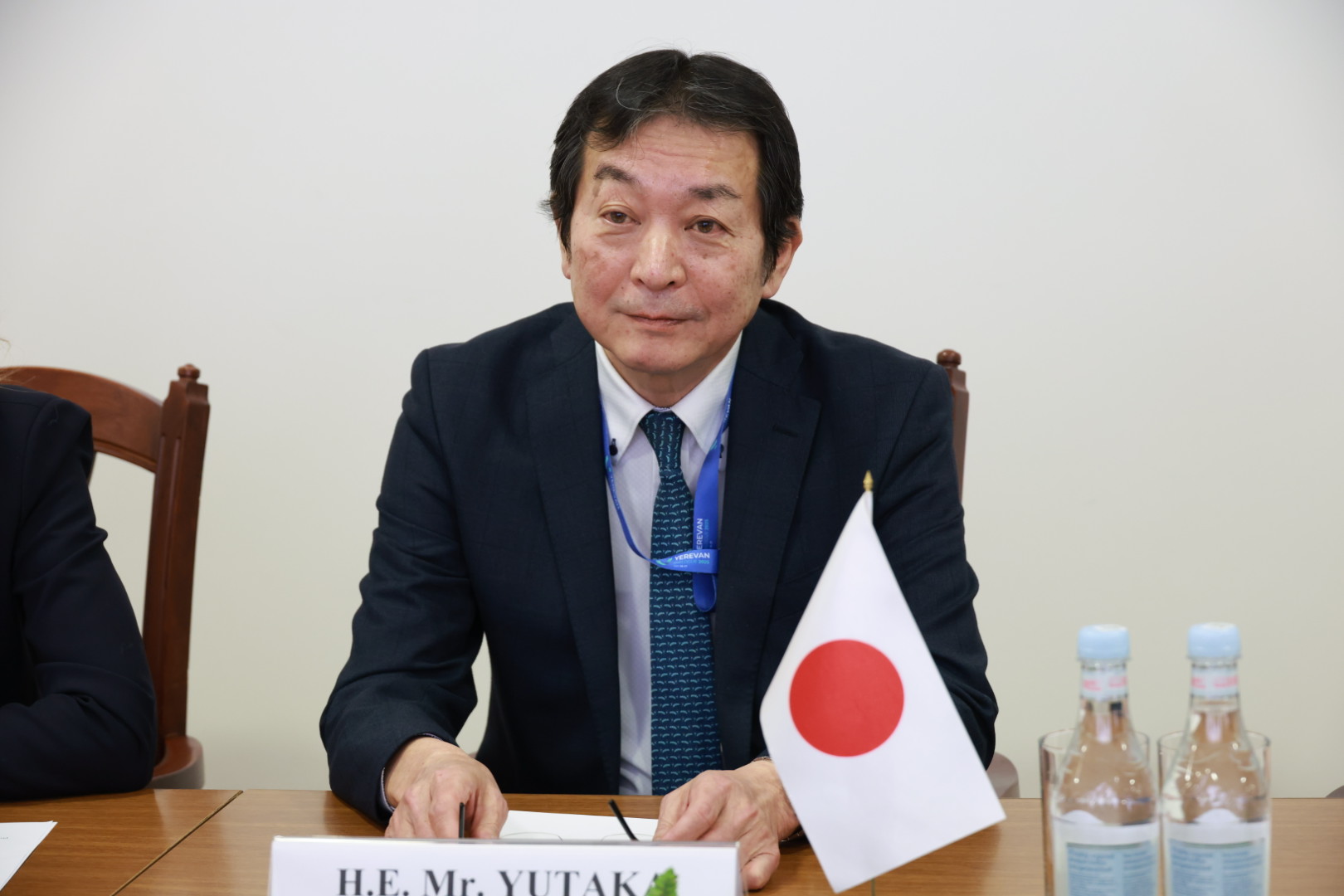
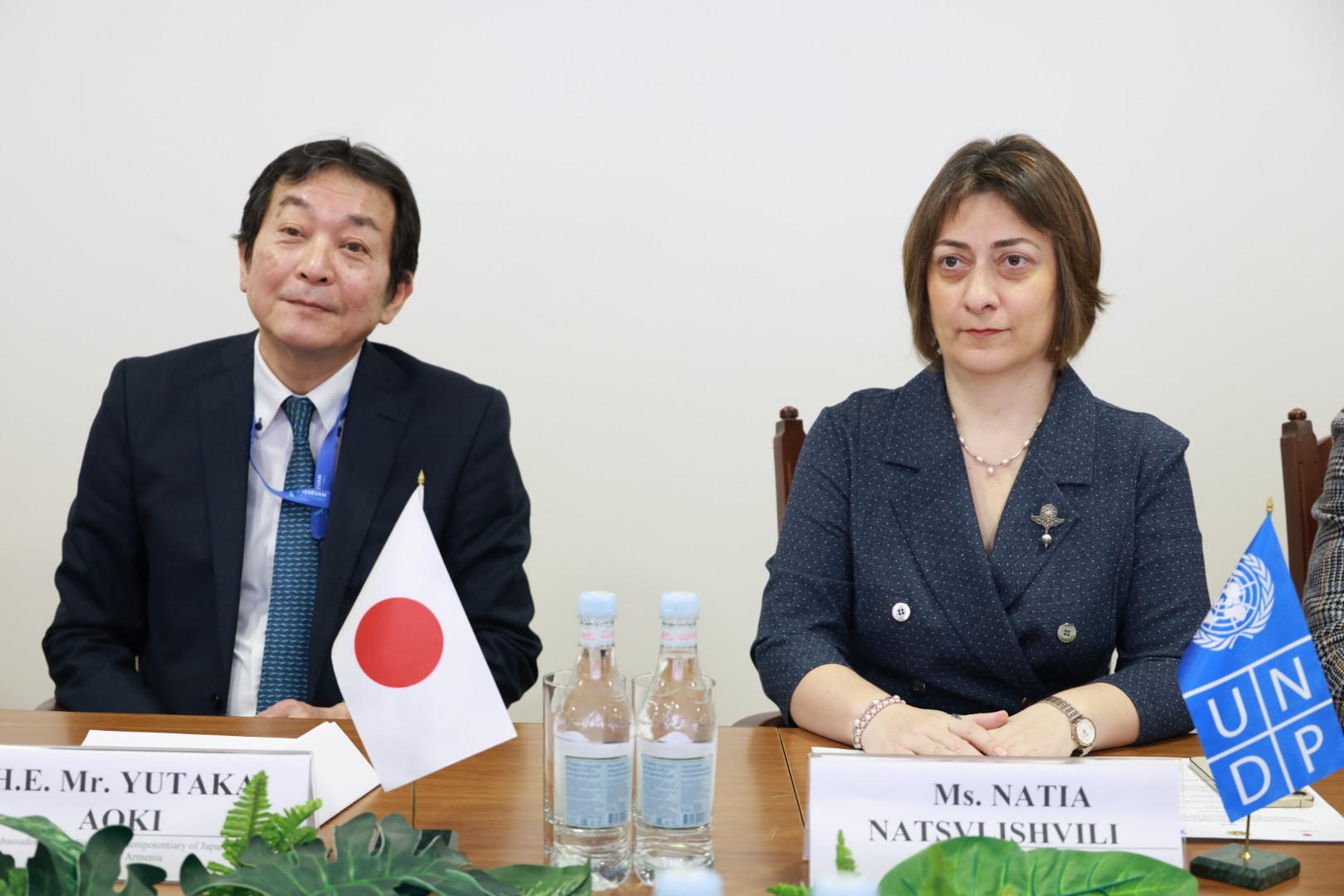
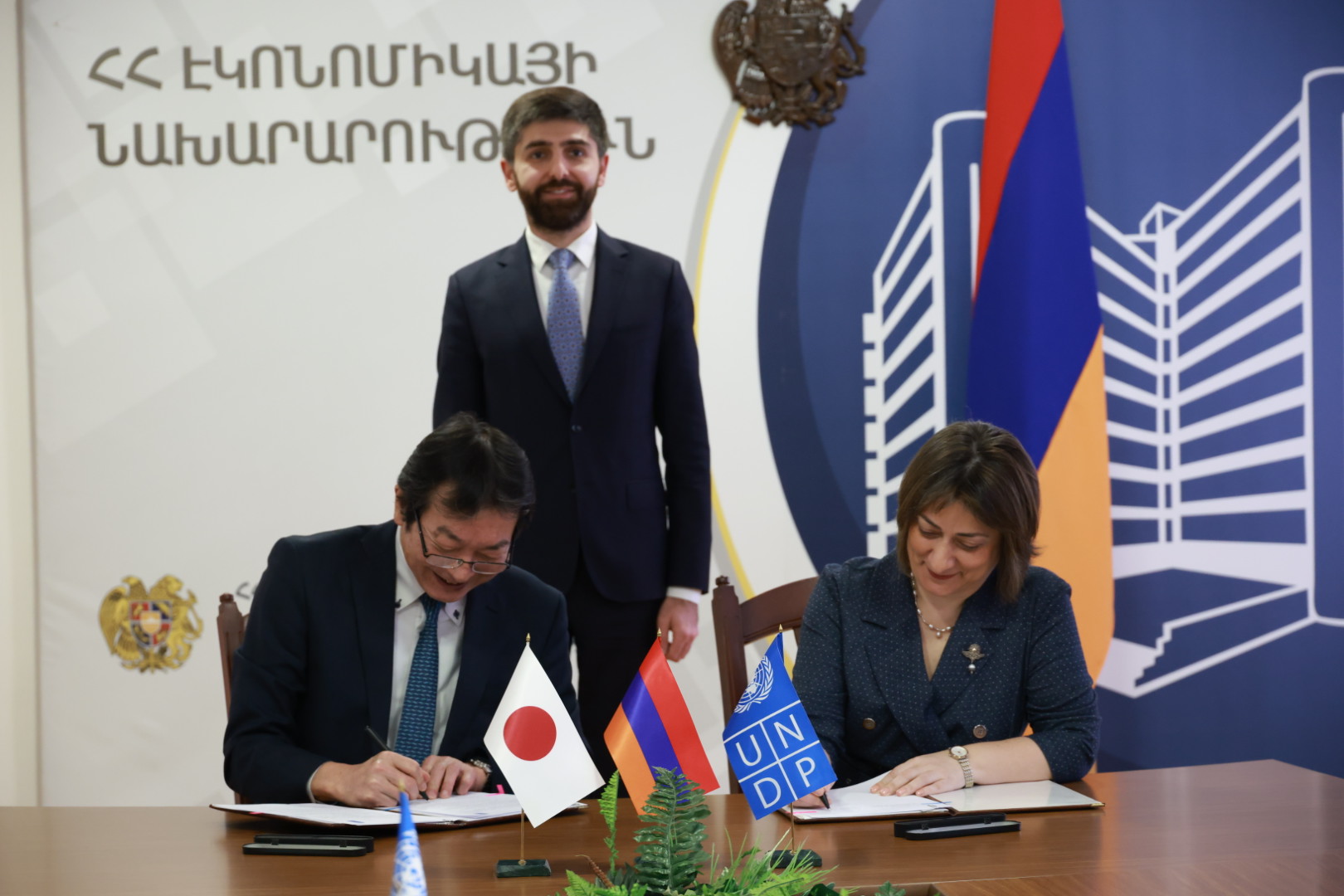
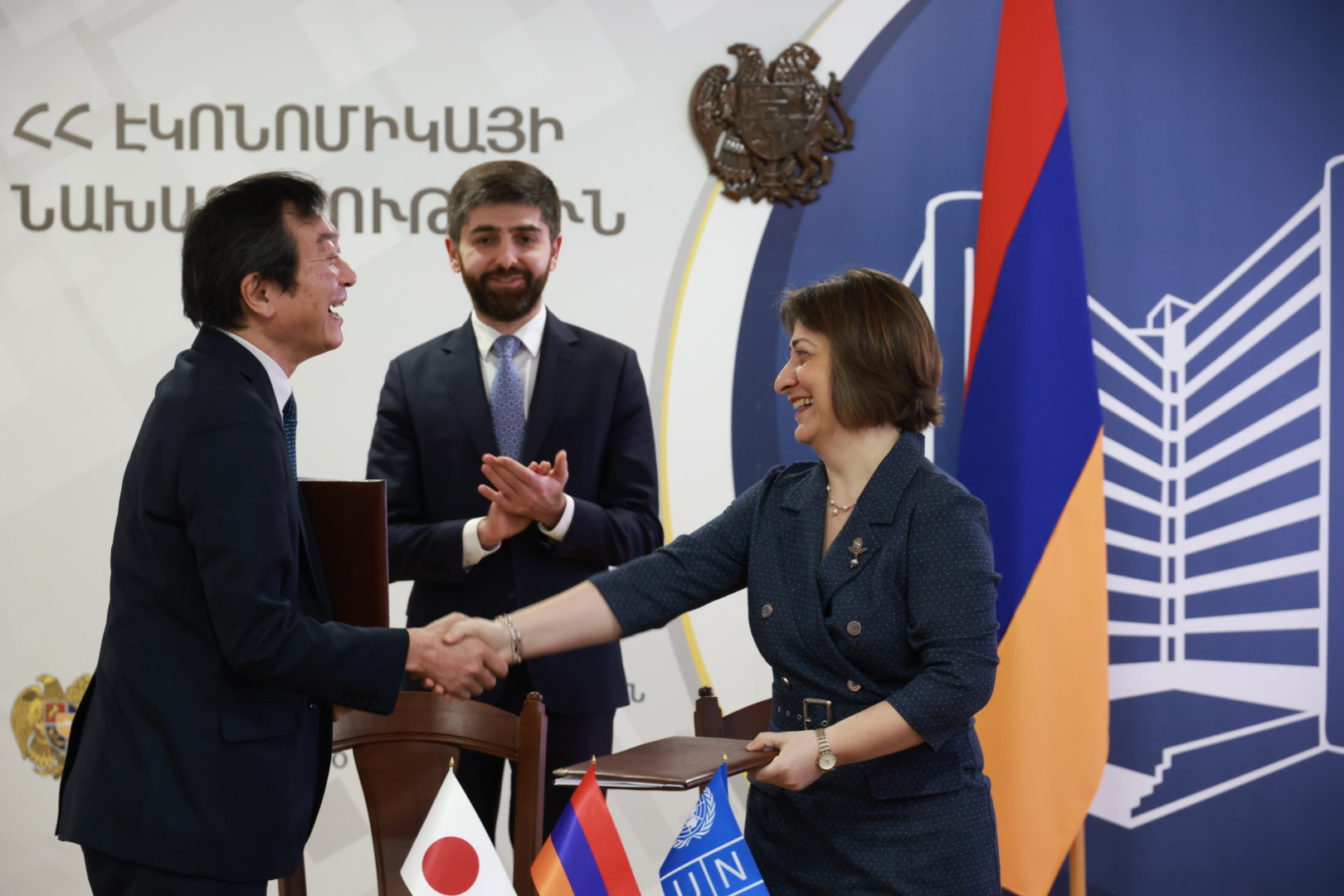
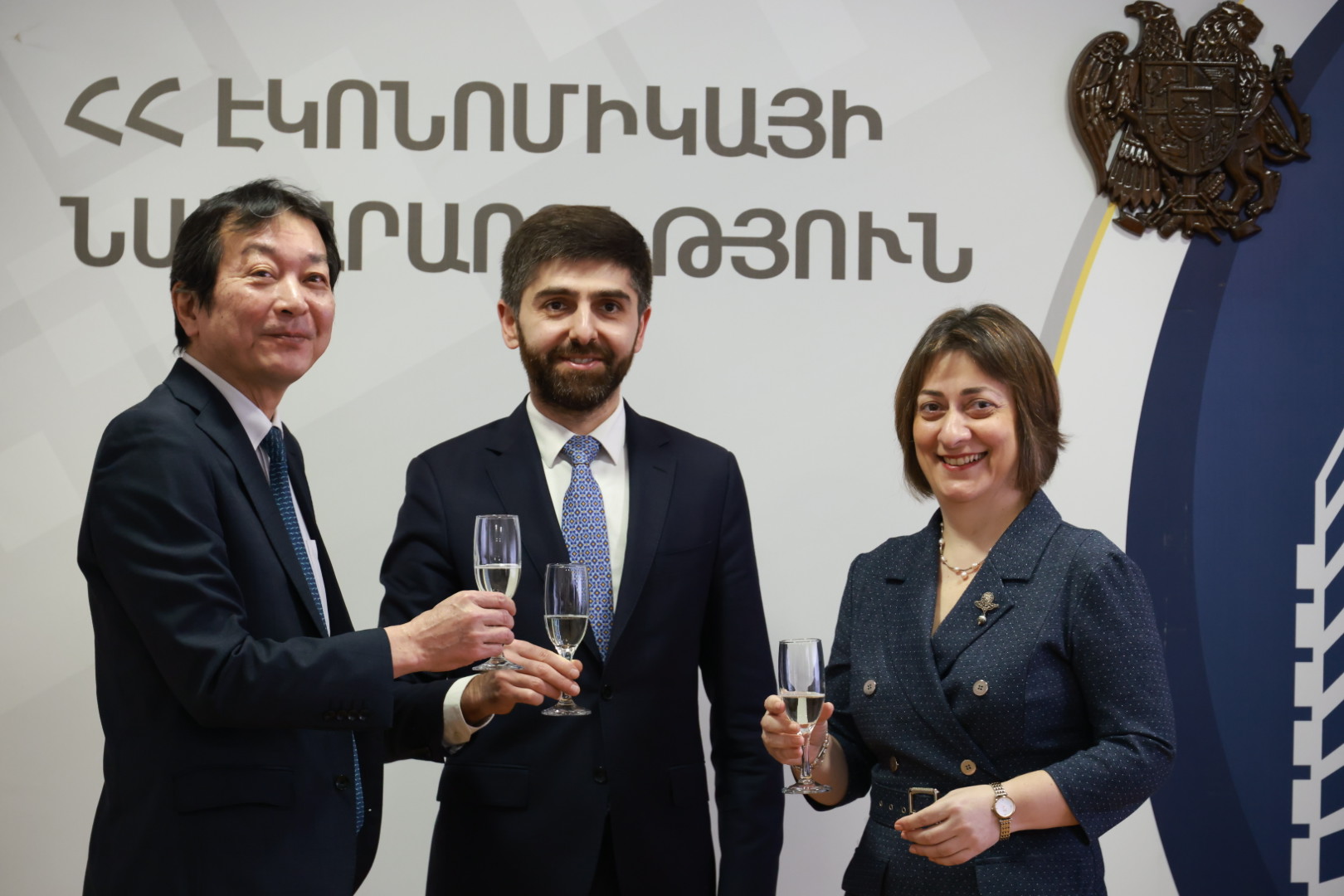
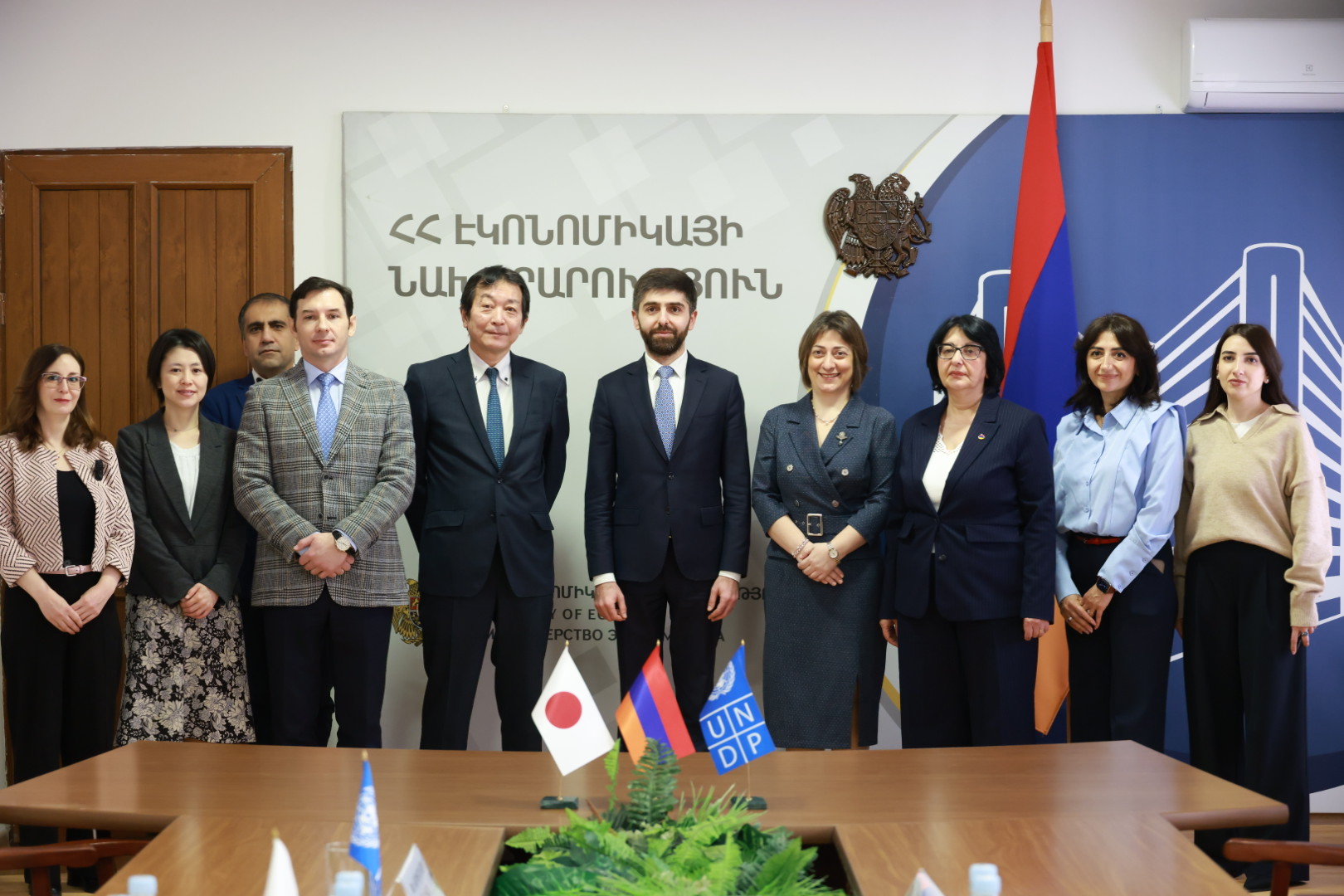
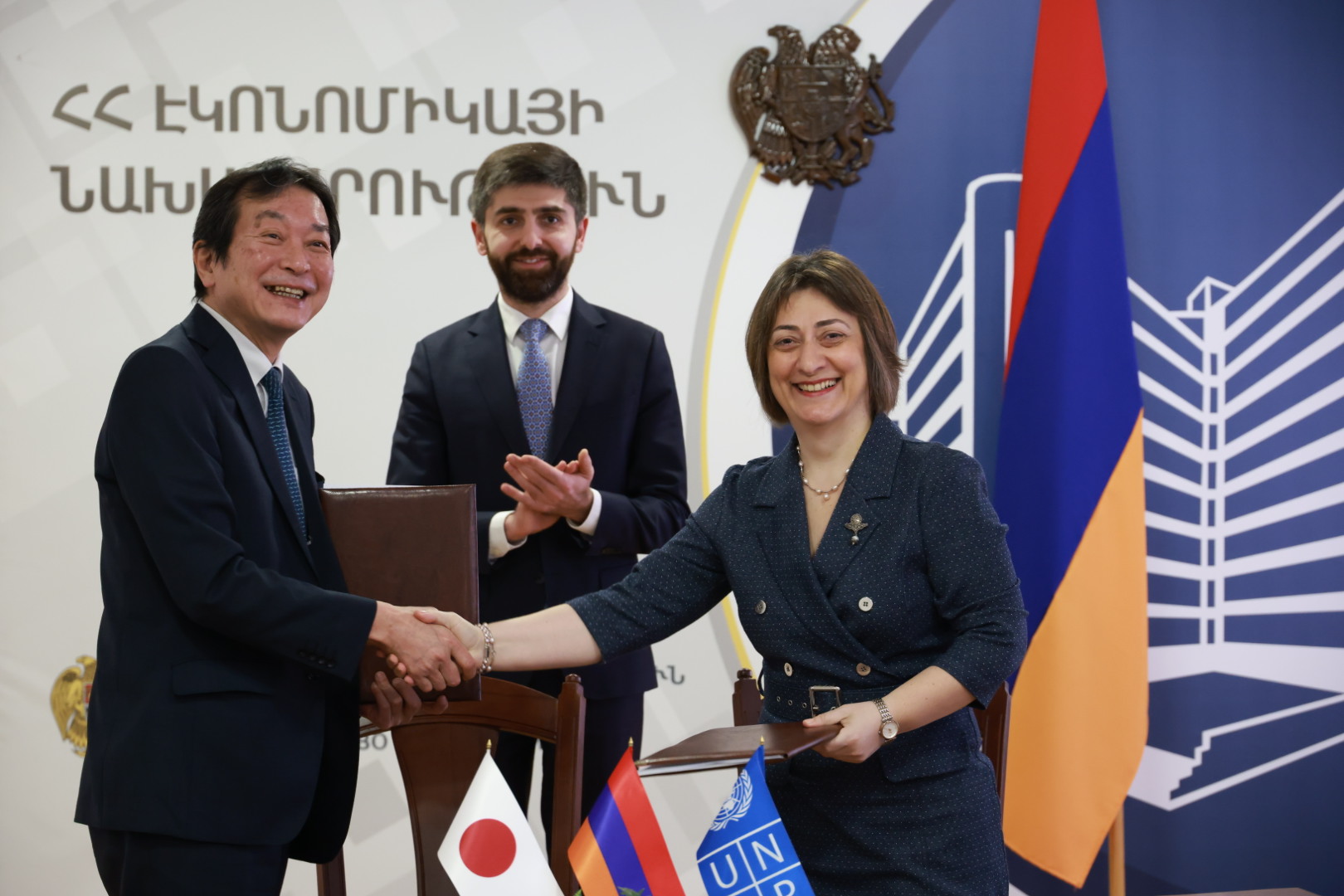
His Excellency Mr. Yutaka Aoki, Ambassador of Japan to Armenia, Ms. Natia Natsvlishvili, UNDP Resident Representative in Armenia, and Mr. Arman Khojoyan, Deputy Minister of Economy of the Republic of Armenia, participated in the signing ceremony.
“Japan stands with the people of Armenia at this pivotal time. We firmly believe that investing in employment initiatives within the agricultural sector is vital to strengthening the resilience of both refugees and host communities, while also supporting their long-term integration. We are pleased to collaborate with the Government of Armenia and UNDP on this important initiative,” said H.E. Yutaka Aoki, Ambassador of Japan to Armenia.
“This initiative is fully aligned with the strategic priorities of the Government of the Republic of Armenia in the agricultural sector. By promoting intensive agriculture, developing greenhouse farming, enhancing processing and market-integration capacities, and advancing technological innovation, the program will contribute to strengthening the socio-economic resilience of host communities.
I would like to express my sincere gratitude to the Government of Japan and the United Nations Development Programme for their continued and effective cooperation. I believe that through our joint efforts, this initiative will become a successful example of inclusive and sustainable development in Armenia,” said Mr. Arman Khojoyan, Deputy Minister of Economy of the Republic of Armenia.
“UNDP’s partnership with Japan continues to play a transformative role in supporting Armenia’s response to both immediate emergencies and long-term development priorities. Through this initiative, which is in line with the National Refugee Livelihood Framework, we are working to equip refugees and host communities with the tools, skills, and infrastructure needed to build dignified and sustainable livelihoods,” said Ms. Natia Natsvlishvili, UNDP Resident Representative in Armenia. She expressed her deep appreciation to the governments of Japan and Armenia for their steadfast partnership, which continues to make these impactful results possible.
More than 100,000 people are expected to benefit from the project through new employment opportunities, shared infrastructure, expanded market access, and strengthened local economic systems. Over 100 refugee-managed greenhouses will be established to advance modern food production. To further support household level enterprises, 60 homebased agro-processing units will help families transform raw produce into market-ready goods.
To streamline distribution and improve market reach, the project will also establish the “Together We Operate” (TWO) platform, which will centralize logistics, distribution, and market access. Complementing these efforts, a state-of-the-art AgriHub will be created at the Scientific Center of Vegetable and Technical Crops, offering shared agro-processing equipment, training opportunities, and incubation services for emerging entrepreneurs.
Background: In 2024-26, UNDP and Japan together implemented “Project for Supporting Basic Infrastructure and Social Integration for Displaced Persons from Nagorno-Karabakh and Host Communities”. The project strengthened social cohesion and improved the quality and accessibility of essential services—including health, housing, energy, and water—thereby supporting dignified and safe living conditions for approximately 310,000 displaced persons and host community members. The new project will promote further consolidation of peace with the principles of the humanitarian–development–peace (HDP) nexus.